Cannabis Information
Cannabis products come with health risks, and those products are much stronger in this day and age.
CBD products, products containing cannabidiol, do not have federal standards for their content, purity, or potency. Because of this, the ingredients on the label may be different or contain synthetic compounds, pesticides, or other dangerous chemicals.
Exposure to Kids
When you are around someone who is smoking cannabis, the smoke gets into
your system.
Here’s an article by Harvard Health Publishing describing the effects of secondhand marijuana smoke on children.
As marijuana becomes increasingly legal for medical and recreational use across the United States, the availability of marijuana-infused edibles is also rising. These products, which often resemble common sweets like gummies, chocolates, and cookies, pose an increasing risk of unintentional THC poisoning, particularly among children. THC, the psychoactive compound in marijuana, can cause dangerous effects in children and adolescents, including intoxication, anxiety, altered perception, and even severe physical responses like apnea or heart problems.
Marijuana edibles are particularly concerning because they take longer to produce effects compared to smoking, which can lead individuals—especially children—to consume excessive amounts before feeling any impact, increasing the risk of overdose. A tragic example includes a fatal incident in Colorado where a 19-year-old died after consuming a THC-laced cookie.
The number of child poisonings related to cannabis edibles has surged dramatically, with a 1,375% increase in cases involving children under six years old between 2017 and 2021. Despite regulations in some states requiring child-resistant packaging and clear labeling, unintentional poisoning remains a significant problem, especially as edibles often closely resemble popular candies.
To prevent accidental ingestion, experts recommend that parents avoid keeping marijuana edibles in the home, or, if they must, store them securely in childproof containers and away from children’s reach. Parents should also refrain from using or consuming marijuana products in front of children and educate them about the risks of marijuana use, particularly in edible form. Talking openly with children about the potential dangers and ensuring they know to ask an adult before eating food they find is also critical.
If a child does ingest a marijuana edible, parents should contact poison control or seek emergency help immediately.
Interested in learning more about Cannabis?
National Institute on Drug Abuse – Cannabis Information
Know the Effects, Risks, and Side Effects of Marijuana
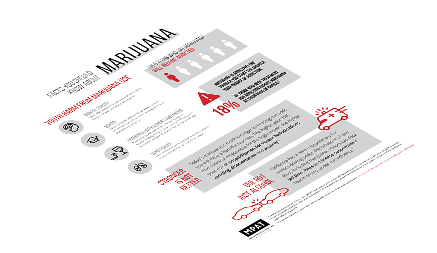
Marijuana use, now the most commonly used illegal substance in the U.S., carries significant health risks. While its use is growing, especially among adults and pregnant women, many people, particularly youth, do not view it as a risky behavior. However, marijuana—especially today’s stronger forms—can lead to addiction and long-term health problems.
Marijuana Risks
- Addiction: About 1 in 10 users become addicted. This increases to 1 in 6 if use starts before age 18.
- Brain Health: Marijuana use, particularly at a young age, can cause permanent
IQ loss—up to 8 points—which does not recover even after quitting. - Mental Health: Marijuana use is linked to depression, anxiety, suicide planning, and psychotic episodes. The cause-and-effect relationship is still unclear.
- Athletic Performance: Marijuana impairs timing, coordination, and movement, negatively affecting athletic abilities.
- Driving: Driving under the influence of marijuana impairs reaction times, coordination, and judgment, increasing accident risks.
- Pregnancy and Baby’s Health: Marijuana use during pregnancy can cause fetal growth restriction, premature birth, stillbirth, and developmental issues, including hyperactivity and poor cognitive function. THC also passes through breast milk, affecting the baby.
- Impact on Daily Life: Regular marijuana use is associated with relationship problems, poorer educational outcomes, lower career achievement, and reduced life satisfaction.
Understanding these risks is critical, especially as marijuana use increases and its perception as a harmless substance declines.
Download this (resource)
Interested in learning more about cannabis?